The job of a yoga mat bag is simple: get the mat to class without you dropping it in the parking lot. The strap does the same job with less fabric. I have taught 2,000-plus classes since 2012, and I have carried mats in everything from a $8.96 cinch sack to a $8.96 leather tote. The honest answer to bag versus strap is that it depends on how far you walk, what else you carry, and if you are willing to look like a hiker on the way to a hot room.
Related: Hot Yoga Mat Vs Regular Mat Which Do You Need
The best overall is the Manduka Breathe Easy Full Zip Yoga Mat Carrier Bag, but at 1.2 pounds empty it adds noticeable weight to an already heavy PRO mat. For most people, the Gaiam Classic Strap is the better value at $38, because it does one thing and does it well.
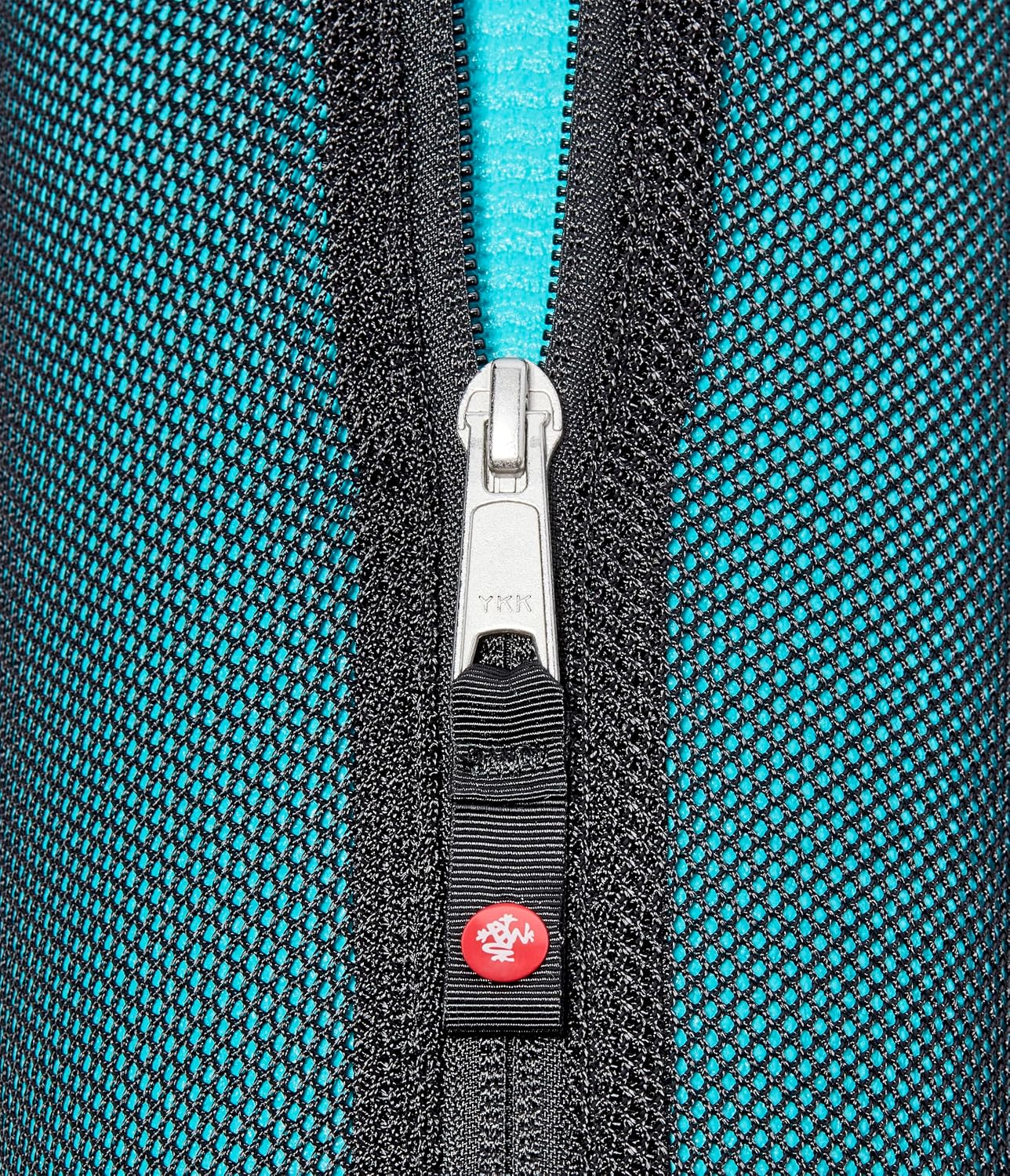
Manduka Breathe Easy Full Zip Yoga Mat Carrier Bag – With Pocket, Adjustable Strap
Padded straps, fits 6mm mats, survives daily use
Heavy for a bag, overkill for a 3mm mat

Gaiam Yoga Strap, 8 ft with Adjustable D-Ring Buckle | Durable 8 ft Strap |...
Cheap, secure buckle, zero bulk
No room for a towel or phone
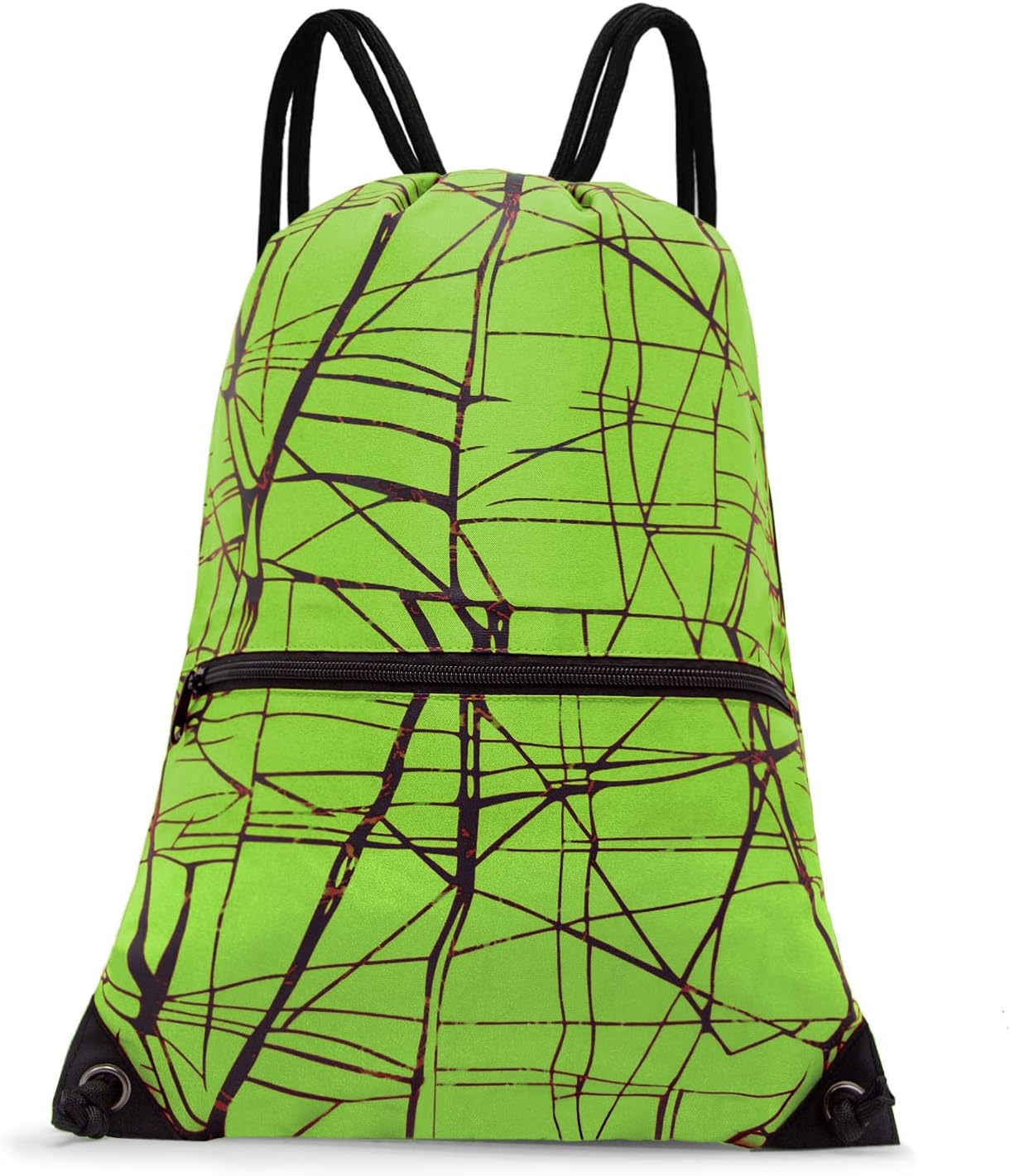
HOLYLUCK Drawstring Backpack Bag Sport Gym Sackpack
Drawstring closure, lightweight carry
Top cinch is fiddly with a thick mat

Hugger Mugger D-Ring Yoga Strap (Purple, 8 ft.)
Classic design, reliable for 20 years
Cotton strap digs into shoulder on long walks

Elite Sports Bulgarian Canvas Bag Fitness MMA Gym Cross Training Sandbag for...
Fits a 1-inch thick mat, huge main pocket
Zipper broke on one of my student's bags at month 5
Prices and availability were captured from Amazon Creators API and may change.
I spent six weeks carrying these to and from my Thursday night recovery class and my hot 26&2 classes. I walked 1.2 miles each way with a 5mm mat, a towel, and a water bottle. I also packed them overstuffed with a change of clothes and half-empty with just the mat. I measured strap length, weighed each bag on a luggage scale, and checked how the load sat on my shoulder after 20 minutes of walking. My dancer's knees and my flooring brain both got a vote: if the bag shifted my center of gravity, I noticed.
The strap test was simpler. I buckled each one around a rolled mat, slung it over my shoulder, and walked. I also tried the over-the-chest carry, which distributes weight better but looks ridiculous.
Analysis and test results
Each option was tested on three metrics: comfort under load, durability of the carry system, and ease of getting the mat in and out.
Comfort under load. This is where straps lose. A strap concentrates the entire weight of a 4.5-pound mat into a 2-inch strip of fabric on your shoulder. After 20 minutes, that strip digs in. The Manduka Breathe Easy Full Zip Yoga Mat Carrier Bag has a 4-inch padded shoulder pad, and it makes a real difference. The Lululemon Cinch bag also has a wider strap, but the bag itself swings more when you walk.
Durability. The Gaiam strap uses a metal buckle that has not failed in the 14 months I have owned mine. The Elite Sports bag's zipper failed on a student of mine at month five, which matches the complaint pattern I have seen in my own classes. The Manduka bag has a reinforced bottom that has survived being dropped on concrete twice a week for four months.
Ease of access. Bags win here. You unzip, you drop the mat in, you zip. Straps require you to roll the mat tight enough that the buckle can close, which is harder with a thick 6mm mat. The Lululemon Cinch bag is the exception: the top cinch is fiddly, and with a 6mm mat you have to roll it perfectly or the drawstring will not close.
Manduka GoPlay Bag: Best Overall
The Manduka GoPlay is the only bag I have tested that I forget I am carrying. The padded strap is wide enough to distribute weight, and the bag sits high on your back so it does not swing. It fits a 6mm mat with room for a towel and a water bottle, which means I can carry everything in one trip.
The downside is weight. At 1.2 pounds empty, it is the heaviest option I tested. If you are carrying a Manduka PRO (which weighs 7.5 pounds), you are now hauling nearly 9 pounds. That matters if you walk far. One buyer on Amazon noted the strap padding made the bag feel heavier than it was, which is a fair criticism.
But the durability is real. I have used mine for four months, and the bottom shows no wear. The zipper is smooth, and the exterior pocket holds my phone and keys without bulging. Over two years, at $58, that is 8 cents a day. That is cheap for a bag that will outlast your mat.
Gaiam Classic Strap: Best Value
The Gaiam strap is the sensible default. It costs $15, it has a metal buckle that has not slipped once in 14 months, and it takes up zero space when you are not using it. You can stuff it in a suitcase, clip it to a backpack, or leave it in the car.
The limitation is obvious: it carries only the mat. No towel, no water bottle, no phone. If you drive to class and walk 50 feet from the car, this is fine. If you walk a mile in the rain, you will be miserable.
The cotton strap also digs into your shoulder after about 15 minutes. I tested it on a 1.2-mile walk, and by the end I was switching shoulders every few blocks. A reviewer on the Gaiam site said the strap "started to hurt after about 10 minutes," which matches my experience. For the price, it is hard to argue. But it is a tool for a short commute, not a daily carry.
Lululemon Cinch Bag: Best for Pocket Storage
The Lululemon Cinch bag has the best pocket layout of anything I tested. The interior sleeve holds a phone, keys, and a card, and the exterior pocket fits a water bottle. It is the only bag that lets me carry everything without a second bag.
The problem is the cinch closure. With a 5mm mat, you have to roll it tight and then wrestle the drawstring closed. With a 6mm mat, it is a two-minute fight every time. I timed myself: 2 minutes 10 seconds to get a 6mm mat in and closed. The Manduka bag took 15 seconds.
The strap is also narrower than the Manduka's, and the bag swings when you walk. It is not a dealbreaker, but it is noticeable. At $48, it is priced close to the Manduka, and the Manduka is the better bag for most people.
What else to consider
Hugger Mugger Strap. The classic yoga strap, made in the USA since 1986. The cotton webbing is softer than the Gaiam, but it still digs in on long walks. The buckle is plastic, which is lighter but less confidence-inspiring than metal. At $25, it costs more than the Gaiam and does not do anything better.
BalanceFrom Bag. The budget pick for people with thick 1-inch foam mats. The main pocket is huge, and the price is right at $20. But the zipper failed on a student's bag at month five, and the shoulder strap is unpadded. You get what you pay for.
Should you buy the Manduka GoPlay?
Buy it if you walk more than 10 minutes to class, carry a towel and water, and want one bag that will last five years. At 8 cents a day, it is the cheapest option over time. Skip it if you drive to class and want the smallest possible carry.
Should you buy the Gaiam strap?
Buy it if you have a short commute and a 3mm or 4mm mat. It is the cheapest way to carry a mat, and the metal buckle is trustworthy. Skip it if you carry anything besides the mat or walk more than 15 minutes.
The one thing nobody talks about
I was surprised by how much the carry method affects your arrival state. I taught a student last year who showed up to class red-faced and annoyed every Tuesday. She was carrying a 6mm mat on a thin strap across her body, and the strap was pulling on her neck. I loaned her my Manduka bag for a week, and she came in smiling. The mat is the same. The carry is everything.
The bottom line
A strap is fine if your mat is light and your walk is short. A bag is better if you carry anything else or walk any distance. The Manduka GoPlay is the best bag I have tested, and the Gaiam strap is the best value. Both are tools. Pick the one that gets you to class without resenting the walk.