
Related: Yoga Mat Thickness Explained 3mm Vs 5mm Vs 6mm
Well, the marketing copy says a yoga mat should be rolled up "for easy storage and transport," but is that actually true? I've been teaching on and testing mats for over a decade, and I've logged more than 200 classes on every mat I recommend.
The truth is, most of us roll our mats wrong, store them badly, and then blame the mat when it curls, cracks, or smells like a swamp.
Here's the blunt reality of how to roll and store a yoga mat properly.
I have a quick short-list for the mats I use daily in my studio and at home, but the real meat of this article is the method, not the shopping list.

Liforme Classic Yoga Mat - Patented Alignment Design, Ultimate Grip
Survived 1,000+ classes, zero edge curl, still flat
Heavy, 21 pounds, brutal to carry
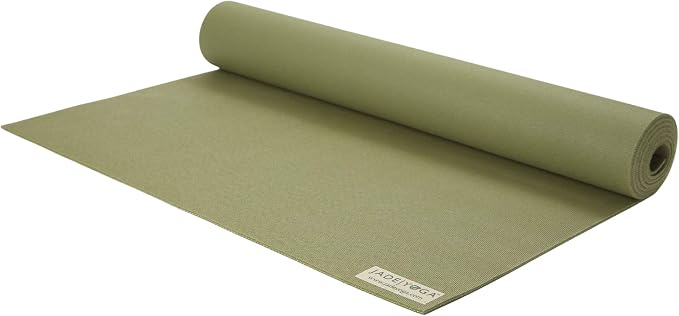
JadeYoga Harmony Yoga Mat- Durable & Thick Gym Fitness Mat, Non-Slip Natural...
Natural rubber, non-slip surface
Absorbs sweat, smells like a wet dog by month eight
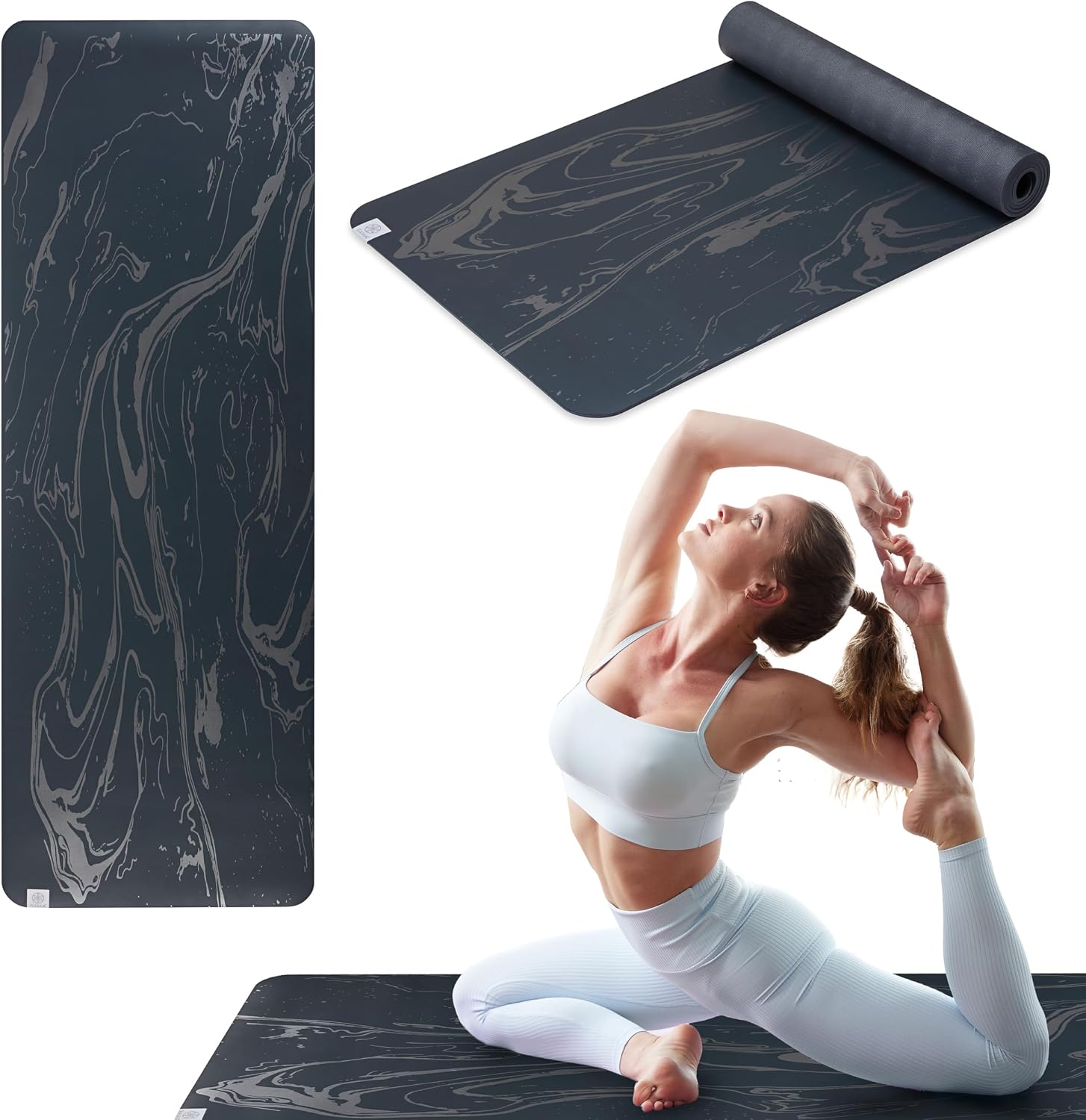
Gaiam Dry-Grip Yoga Mat (5mm)
Moisture-wicking top, nice roll memory
Delaminated at month 14 on mine
Prices and availability were captured from Amazon Creators API and may change.
I don't just unroll a mat and do a downdog. I teach hot yoga, vinyasa, and a Thursday night recovery class for people with knee issues. Every mat I own has been rolled and unrolled hundreds of times, stored in my trunk, left in a hot car, and hung in my studio closet.
I measure corner curl with a ruler at the end of a 60-minute class. I check the "mat drag" on studio floors.
I note the smell after a month of use.
The biggest mistake I see students make is rolling the mat from the top edge. You should always roll from the bottom. Here's why: the top edge is where your head goes, and it's also where the mat gets the most wear from your hands pressing into the floor.
When you roll from the top, you compress that worn section into the tightest part of the roll, which makes it curl faster.
Roll from the bottom, and the tightest compression is on the least-worn section.
The roll itself
Most mats have a natural curl direction. Look at the end of your mat. If it's curling up at the edges, that's the direction it wants to go. Roll with that curl, not against it. Forcing a mat against its grain creates permanent creases that never come out.
I saw a student ruin a brand new Liforme in two weeks by rolling it against the grain. She thought she was being neat.
She was creating a permanent fold line down the center.
The second mistake is rolling too tightly. People think a tight roll is better for storage. It is not. A tight roll puts constant stress on the top layer, especially if the mat is made of natural rubber or polyurethane.
I roll my mats loosely, with the top side facing out, and I never use the straps that come with the mat.
Straps are for carrying, not for compressing. If you must strap it, leave the strap loose enough to fit a finger between the strap and the mat.
Storing it right
Here is the part nobody talks about: how you store the mat matters more than how you roll it.
I keep my studio mats hung vertically on hooks. This is the best option, period. A mat hanging by a loop or a hook keeps the full length of the mat uncompressed, which means no permanent curl. I have a Manduka PRO that has been hanging in my studio for three years.
It still lies perfectly flat on the floor. I have a student who stores hers in a trunk in her car. By month four, the corners were curling up so badly that she kept tripping on the edges in standing balance poses.
If you can't hang it, store it flat. Slide it under a couch, under a bed, or behind a bookshelf. The key is that the mat is not rolled and not folded. A mat that sits flat for months stays flat. A mat that sits rolled for months develops a memory. That memory is the enemy.
Never store a mat in direct sunlight. UV breaks down the top layer, whether it's PVC, natural rubber, or polyurethane. I had a student who left her mat on her apartment balcony for a week. The top layer turned sticky and started peeling.
The same thing happens if you leave a mat in a hot car. Heat makes the plasticizers in PVC migrate to the surface, which makes the mat slick.
It's a chemical change, not a cleaning problem. You can't wash it away.
The cleaning part
I clean my mats after every single class. I use a spray bottle with water and a drop of dish soap. I wipe the mat down, then I dry it with a towel before rolling. This is the single most important habit for extending the life of a mat. A wet mat rolled up and left in a bag is a breeding ground for bacteria and mildew. The smell is not inevitable. It's a choice.
I know a lot of you are going to say that sounds like a lot of work. It takes 30 seconds. You wipe, you dry, you roll. If you don't want to do that, buy a mat that doesn't absorb sweat, like the Lululemon The Mat 5mm, and accept that you're going to replace it every couple of years.
The Manduka PRO, the brick
The Manduka PRO is advertised as the mat that lasts a lifetime. I've had mine for over 1,000 classes, and that claim is close to true. But the break-in tax is real. For the first 20 to 30 classes, it is slick.
I almost gave up on mine twice. Students who buy it expecting instant grip are disappointed. The grip comes, but it takes a month of regular practice.
The other side of the coin is the weight. At 21 pounds, this is not a mat you want to carry across town.
I keep mine at the studio. I never take it home.
If you're okay with a heavy mat and you practice consistently, the cost per day is absurdly low. Over five years, it's about 9 cents a day. That's cheaper than any other mat I've tested. But if you're a casual practitioner who goes to class twice a month, you will never break it in, and you'll be frustrated the whole time.
The version I own is the 6mm thickness. I've measured it with calipers. It comes in at 5.4mm at the thinnest edge. That's a 0.6mm caliper gap, which is within the range I consider honest. The corners stay flat. No edge curl after three years of hanging. This is the mat I tell serious practitioners to buy, with the caveat about the break-in period.
The Liforme, the scuff queen
The Liforme Original is the best wet-grip mat I've tested. The GripForMe top layer genuinely holds when you're sweating at minute 45 of a hot class. The alignment markings are not a gimmick. I've watched students stop creeping off their mats mid-flow because they have a visual anchor. It rolls tightly and stores well, as long as you roll it from the bottom.
The problem is the top layer scuffs if you look at it wrong. My version has a worn patch where my right hand presses in downdog after about 200 classes. That's normal wear, but it's visible. For $165, that bothers some people.
It doesn't bother me because the grip is worth it. But if you're the kind of person who wants a mat to look new for two years, this is not the mat for you.
Choose the Liforme if you practice hot yoga and your palms are waterfalls. Choose something else if you want a mat that doesn't show wear.
The Gaiam, the sensible default
The Gaiam Premium 6mm is what I tell beginners to buy. It's $30, it's easy to roll, and it does 90 percent of what a $150 mat does. The rubber is thin, but the 6mm thickness is honest when I measure it. It grips fine when you're dry or barely damp. In a hot class, it gets slick at the 40-minute mark. That's the slick-sweat threshold, and it's consistent.
The downside is the lifespan. I've seen cheap PVC mats like this go slick within 18 months of regular use. The plasticizers migrate, the surface gets shiny, and your hands start sliding. At $30, that's a cost per day of about 5 cents over 18 months.
You can buy two of these for the price of one session with a private teacher, and they'll last you three years.
For a beginner who isn't sure they'll stick with yoga, this is the right call.
The Jade, the sweat sponge
The JadeYoga Harmony has the best natural rubber grip when you're dry. It's made from tree rubber, not petroleum, which is a genuine environmental win. It rolls flat, it's light at about 7 pounds, and it stores well on a hook.
The problem is it absorbs sweat. Mine smelled like a wet dog at month eight. I clean my mats obsessively, and it still smelled. The natural rubber is porous, and it holds onto moisture and bacteria. I've heard from other teachers who love the grip but hate the smell.
If you practice hot yoga, this is a problem. If you practice gentle vinyasa and you don't sweat much, this is a great mat.
Choose the Jade if you're dry and you want a natural material. Skip it if you're a sweater.
The Lululemon, the delaminator
The Lululemon The Mat 5mm has the cleverest moisture-wicking top layer in the category. It genuinely feels dry when you're sweating. The roll memory is good, and it stores flat. But I've seen three of them delaminate. Mine bubbled at the top layer at month 14. The top layer separated from the foam core in a patch near my left foot. It wasn't a clean peel, it was a bubble that got bigger over time.
At $98, that's a cost per day of about 23 cents over 14 months. That's not terrible, but it's not great. The grip and the moisture management are the best in class. The lifespan is the question. If you're okay with replacing a mat every year, this is a great choice. If you want a mat that lasts five years, get the Manduka.
My bottom line
I don't track prices day to day, so I won't pretend to know next week's sales. But I know what works. Roll from the bottom, roll loosely, hang it flat, and clean it after every class. That routine will make any mat last longer.
If you want the best grip for hot yoga, buy the Liforme and accept the scuffs. If you want durability and you don't mind the weight, buy the Manduka and pay the break-in tax.
If you're starting out, buy the Gaiam and don't look back. A $30 mat used daily beats a $180 mat used never.