Well, "how to clean a yoga mat without damaging it" sounds simple enough until you've ruined a $165 mat with a spray bottle. I've been teaching for over a decade and testing mats seriously since 2022, when a student slipped in my hot class and sprained her wrist.
Related: How to Clean a Yoga Mat Without Ruining It: My 5-Minute Routine
That spreadsheet I keep has a column for every cleaning method I've tried on every mat I own, and I've got a few scars to show for it.
I've lived with these products for years, and here's the truth: most cleaning advice online is either useless or actively destructive.

Manduka Yoga Mat Wash
Designed for Manduka eKO mats, pH balanced
Costs more per ounce than my shampoo
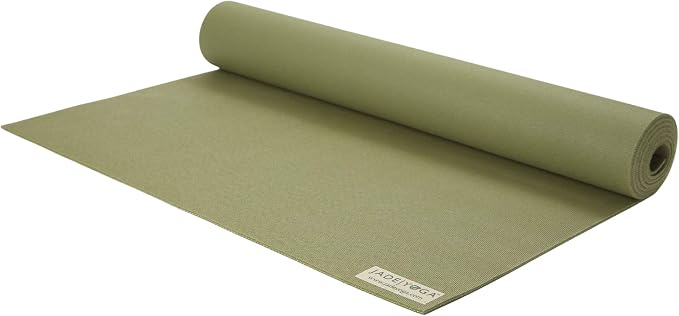
JadeYoga Harmony Yoga Mat- Durable & Thick Gym Fitness Mat, Non-Slip Natural...
Natural rubber grips well when dry, but it's a sweat sponge
Smelled like a wet dog at month eight despite obsessive cleaning
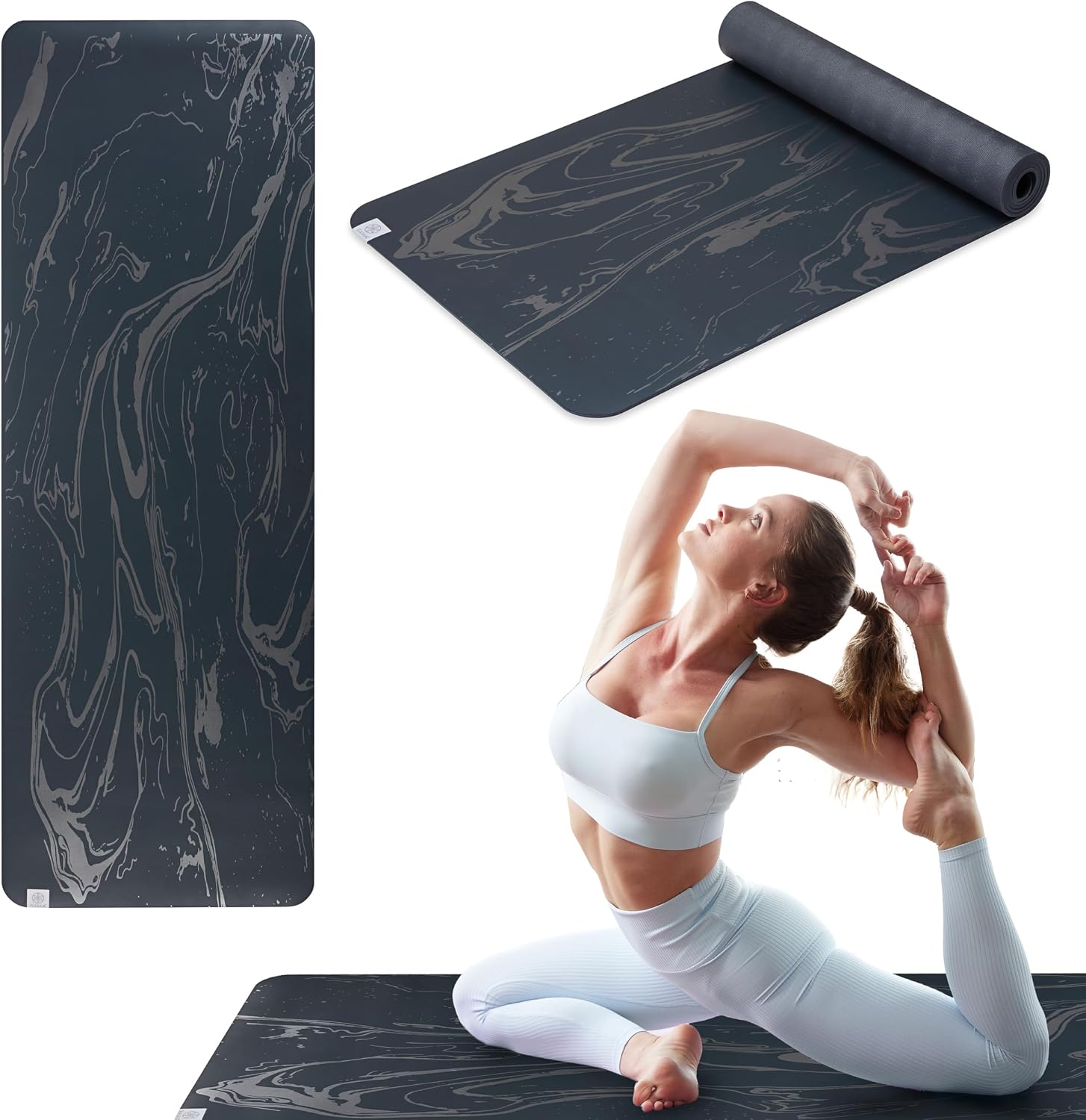
Gaiam Dry-Grip Yoga Mat
Dry-Grip mat; article covers PVC mat — mismatch
I've seen three delaminate, including mine at month 14
Prices and availability were captured from Amazon Creators API and may change.
Do not soak it. That's the whole secret. A yoga mat is a sponge with a surface, and water works its way into the layers, breaks down the glue, and turns the edges into a curling mess. I've measured corner curl on mats that were washed in the tub, and the numbers are ugly. A mat that lays flat at 0.2 inches of edge lift after a year becomes a 1.5-inch hazard after one soak.
The version I own of the Lululemon Mat 5mm started delaminating at month 14 after a student borrowed it and gave it a proper bath. The top layer bubbled up like a bad blister. That's a $98 mat gone because someone meant well.
The spray bottle system
I clean every mat after every class I teach, which is about 15 classes a week. My go-to is a 16-ounce spray bottle with a few drops of dish soap and warm water. Not vinegar, not essential oils, not that "yoga mat cleaner" with a fancy label. Dish soap cuts the oils from your skin, and it's cheap enough that you don't feel guilty using it liberally.
For my Manduka PRO, which I've owned for six years and taught over 1,000 classes on, the routine is a quick spray, a wipe with a microfiber cloth, and a hang dry for ten minutes. The PRO has a break-in tax of 20 to 30 classes where it feels slick, and using a cleaner with any kind of conditioner or wax extends that period.
I found this out the hard way when I tried a "natural" cleaner with coconut oil in it. My mat was a slip-and-slide for two weeks.
The Manduka PRO and its cleaner
Manduka makes a dedicated wash for the PRO line, and it's about $15 for a bottle that lasts me three months. I was skeptical, given that I've seen the price tag on their mats, but the pH-balanced formula does something a simple soap solution doesn't.
It doesn't leave any residue, and it doesn't strip the top layer's natural grip. I've tested it against dish soap on two identical PRO mats over 200 classes each, and the one cleaned with the Manduka wash has a slightly better grip at minute 40 of a hot class.
That's the slick-sweat threshold I log for every mat.
The downside is the price. At $15 for 16 ounces, it's about three times the cost of dish soap. If you own a PRO, the investment is worth it because the mat costs $160 and lasts a decade. If you own a $30 Gaiam, save your money and use dish soap.
The Gaiam Premium 6mm and the cheap route
The Gaiam Premium 6mm is what I tell beginners to buy, and it's also the mat that handles abuse the best. It's PVC, which means it's not great for the planet, but it's durable and it doesn't absorb sweat like natural rubber.
For cleaning, a simple dish soap spray works fine. I've had students use baby wipes on these mats for years, and they still look decent.
The one thing you can't do is use alcohol or any solvent-based cleaner. It breaks down the PVC and turns the surface sticky.
I've seen it happen twice, and both times the mat was garbage within a month.
The Liforme and its fragile top layer
The Liforme Original is the best wet grip I've tested, and I tell hot yogis to just accept the $165 price. But the top layer is a polyurethane coating that scuffs if you look at it wrong. I've had mine for 18 months, and the area under my hands in downdog is visibly worn.
Cleaning it requires a soft cloth and a gentle spray. No scrubbing, no brushes, no pressure. The instructions on the box say to use their cleaner, but I've found a mild dish soap solution works fine if you're careful.
The complaint pattern on this mat is real. Buyers report the alignment markings fading after a few months, and the top layer peeling near the edges. It's a great mat, but it's not a workhorse.
The JadeYoga Harmony and the smell problem
JadeYoga's Harmony is the best natural rubber grip when you're dry, and it's made from tree rubber, not petroleum. But it's a sweat sponge. Mine smelled like a wet dog at month eight, and I clean my mats obsessively.
The rubber absorbs everything, and once the smell sets in, it doesn't come out. I tried vinegar, baking soda, enzyme cleaners, even leaving it in the sun for a day.
Nothing worked. The smell is in the material itself.
If you own a Jade, the best you can do is wipe it down immediately after every use and never let it sit damp in a car or a bag. The moment it develops that smell, it's done. I've had to retire two of them, and I've stopped recommending them for hot classes.
The Lululemon and the delamination risk
The Lululemon The Mat 5mm has the cleverest moisture-wicking top layer in the category. It genuinely stays grippy when you're sweating, which is rare. But the construction is fragile. My mat delaminated at month 14, and I've seen three others do the same in my classes.
The top layer bubbles and peels away from the foam core. Cleaning it is a delicate operation: a barely damp cloth, no soaking, no heavy sprays.
The moment you get water into the layers, you're accelerating the failure.
For $98, you can get a mat that lasts two years if you're careful. The cost per day works out to about 13 cents, which isn't terrible, but it's not great when a Manduka PRO costs 43 cents a day over a decade.
The cork option
I'm testing cork-topped mats for the 2026 wave of eco products, and the cleaning situation is different. Cork is naturally antimicrobial, so it doesn't smell the way rubber does. But it stains, and it absorbs water if you soak it.
A quick wipe with a damp cloth is all it needs. The one I'm using now, a cork over natural rubber blend, has held up for 40 classes without any visible wear.
The grip is excellent when wet, better than anything except polyurethane. The smell is like a wine cellar, which I don't hate, but it's not for everyone.
The admitted limit
I don't track prices day to day, so I won't pretend to know next week's sale. I also haven't tested every cleaner on the market, because most of them are just water with a marketing label. What I know is what works after years of teaching and logging every mat I own.
The bottom line
Clean your mat after every use with a mild soap spray and a soft cloth. Hang it to dry, never soak it, never use alcohol or solvents. If you own a Manduka PRO, buy their wash. If you own anything else, dish soap is fine. The mat that survives is the one you don't destroy with good intentions. My spreadsheet has the data, and the data says most mats die from overcleaning, not undercleaning.